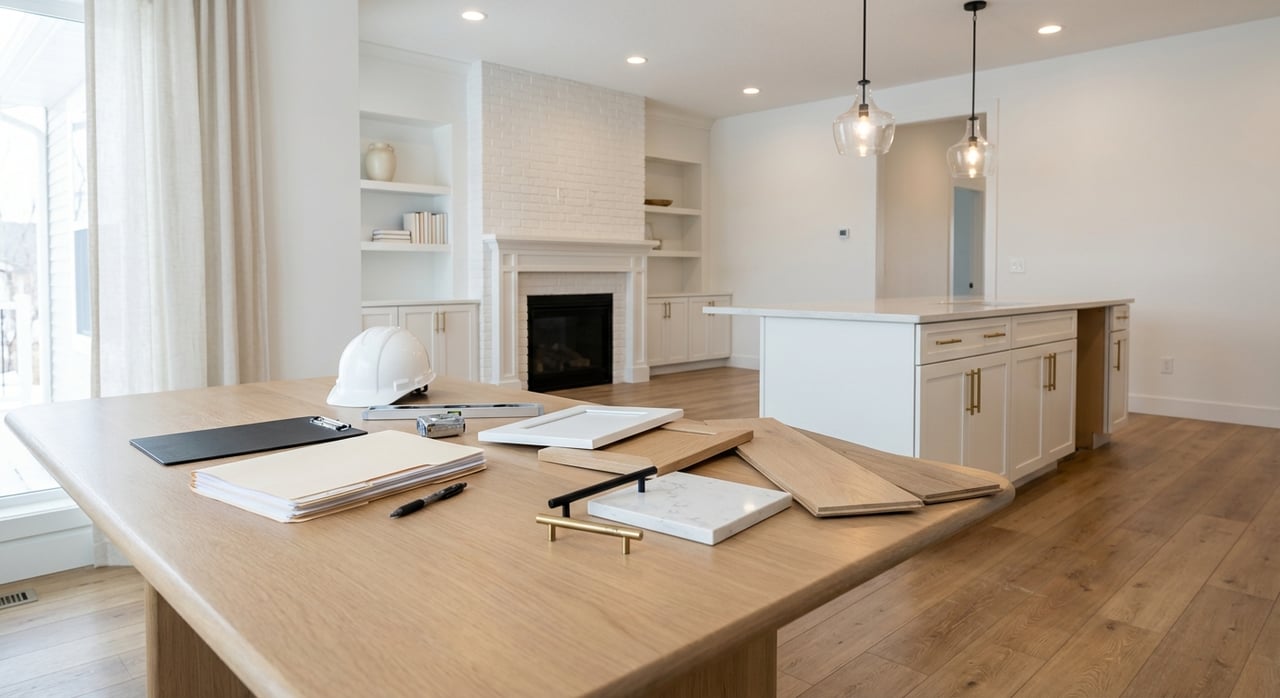
Thinking about building a home in Hebron? Picking your floor plan, finishes, and lot is exciting, but the process is different from buying a resale home. With the right plan, you can avoid surprises and lock in features that fit your life and budget. This guide walks you through contracts, model tours, timelines, inspections, financing, upgrades, and Boone County steps so you can move forward with confidence. Let’s dive in.
Why Hebron new builds stand out
Hebron sits in Boone County, part of the greater Cincinnati region, where new communities and national builders are active. Master-planned options like Rivers Pointe Estates give you diverse floor plans, amenities, and lot types to compare.
Boone County’s Building Department handles permits, required residential inspections, and the Certificate of Occupancy. You can review official inspection services and contacts on the county page for Building Inspection Services. County inspections verify code compliance. You still want your own inspector to focus on quality and finish details.
Builder contracts vs resale: key differences
Buying new construction uses a builder contract, not the standard resale form you may know. Here are the big differences to understand before you sign.
Representation and sales staff
Model-home salespeople represent the builder. They can answer questions, but they do not advocate for you. Bring a buyer’s agent who knows new construction or have a real estate attorney review the paperwork.
Deposits and refund rules
Builders usually require a deposit at contract. Refundability varies by builder and by stage of selections. The Consumer Financial Protection Bureau recommends confirming refund conditions and where funds are held before you commit. See the CFPB’s guidance on finding and comparing new-construction options.
Contingencies and remedies
Resale contracts often include inspection, appraisal, and financing contingencies. Builder agreements may limit or tailor these rights, and completion delays are handled by specific clauses. Review timing, remedies, and cancellation options carefully. For a helpful overview of common provisions, read this Forbes Advisor guide to buying new construction.
Price, options, and allowances
The base price does not include everything. Lot premiums, structural options, and design selections are usually separate. Ask for the allowance schedule in writing and how overruns or material price changes are handled.
Timelines and completion language
Contracts typically include a target completion date and the builder’s extension rules for weather, materials, and permitting delays. Clarify any penalties, credits, or rights you have if the home delivers late. The Forbes Advisor guide also covers timing language to look for.
Warranties and coverage
Most builders provide a written warranty packet, often a “1-2-10” structure that covers workmanship for one year, systems for two years, and structural defects for up to ten years. Learn what is included, how to file claims, and when coverage starts. See what a builder warranty typically covers in this 2-10 Home Buyers Warranty explainer.
Touring model and spec homes like a pro
Model homes are beautiful, but many features you see are paid upgrades. Protect your budget by getting specifics in writing.
What to ask in the model
- Request the official spec sheet for your plan and lot, including brands, finishes, and included features. Here is a helpful overview of questions to ask a builder about specs and selections: spec-sheet and contract questions.
- Ask which items in the model are upgrades and the cost for each or how they affect your design credit.
- Confirm lot premiums, orientation, easements, and elevation options that may change price.
- Review HOA documents and fee schedules, especially in master-planned communities like Rivers Pointe Estates, so you understand amenities and long-term costs.
Quick-move-in or spec homes
Spec homes may carry stronger incentives because the builder is holding inventory. Compare the total net cost after incentives, not just the advertised price.
Timelines, inspections, and quality control
For a production home, a typical build takes about 6 to 12 months from start of on-lot construction. Industry timelines vary by region and complexity. See averages and process details in this NewHomeSource overview of build times. Always add buffer time to the builder’s estimate.
Boone County must inspect and sign off before occupancy, but municipal checks are not a substitute for your own inspector. Independent inspectors emphasize milestone reviews because issues are easier to address before finishes go in. Learn why pre-drywall and other stages matter in this InterNACHI inspection guide.
Recommended checkpoints if your contract allows:
- Foundation or pre-pour review where applicable.
- Pre-drywall inspection of framing, electrical, plumbing, and HVAC.
- Final inspection and pre-closing walkthrough to create your punch list.
Many inspectors also offer an 11-month warranty check so you can submit any final claims before the one-year workmanship period ends. Here is a quick outline of common new-construction inspection phases from Ellingwood Pro.
Financing and builder incentives
You will see two common loan structures:
- Construction-to-permanent (single-close). Converts to a standard mortgage at completion. This can limit duplicate closing costs and may allow you to lock long-term terms earlier. Get an overview here: what is a construction-to-permanent loan.
- Construction-only (two-close). You refinance into a permanent mortgage after the build. This can offer flexibility but adds a second underwriting and closing.
Builders may offer incentives if you use a preferred lender. Compare multiple Loan Estimates so you can see whether a credit or rate buydown outweighs any fees or rate differences. The CFPB’s guide to comparing new-construction options explains how to evaluate offers side by side.
Smart upgrade strategy for resale
Prioritize items that are hard or expensive to change later. Focus your design credit and budget on:
- Structural choices and rough-ins, like layout, HVAC capacity or zoning, extra outlets, and plumbing stubs.
- High-use, durable finishes, especially kitchen layout, counters, and main-floor flooring.
For resale value, national reporting finds that targeted kitchen and bath improvements, curb appeal, and select exterior upgrades often recoup strong portions of cost. See a summary of what tends to pay off in this Kiplinger review of Cost vs Value trends.
Energy-efficient systems are a bonus in many new homes and can lower operating costs over time. Ask about HERS scores or ENERGY STAR features, and check with local utilities for potential rebates.
Buyer checklist for Hebron new builds
Use this quick list to stay organized. Get answers in writing where possible.
- Contract and price
- Ask for the full spec sheet and allowance schedule for your plan and lot.
- Confirm what the base price includes and which items require premiums or upgrades.
- Verify deposit amount, refund rules, and where funds are held. The CFPB’s guidance outlines questions to ask.
- Timeline and inspections
- Get a realistic completion window and the builder’s extension rules and remedies.
- Schedule independent inspections at pre-drywall and final stages if the contract permits. See InterNACHI’s inspection overview to plan your timing.
- Warranty and service
- Review the warranty packet, coverage terms, start date, and claim steps. Learn what is typical from 2-10’s warranty explainer.
- Financing and closing
- Compare at least two Loan Estimates before accepting a preferred-lender incentive.
- Ask your lender what documents they need at completion to close smoothly.
- Representation
- Bring a buyer’s agent who understands new construction to your first visit and through inspections and walkthroughs.
Common pitfalls to avoid
- Assuming the model equals the base price. Always review the spec sheet and upgrade list.
- Skipping independent inspections because the county inspects the home. Municipal code checks are not the same as a quality review focused on your selections and workmanship.
- Accepting the builder’s lender without shopping. Compare the full cost of funds over time, not just the headline incentive.
- Forgetting warranty logistics. Know how to submit claims, track dates, and register appliances where required.
Your next steps
Walk model homes with a clear plan, a firm budget, and the right advocate at your side. Our team helps you compare builders and lots in Hebron, negotiate allowances and incentives, schedule inspections at the right milestones, and keep your timeline on track through closing and warranty.
If you are considering new construction in Hebron, reach out to Janell Stuckwisch to talk through your goals and next steps.
FAQs
How is building in Hebron different from buying a resale home?
- New construction uses a builder contract with different contingencies, timelines, allowances, and warranty coverage, so you need to review terms more closely and plan milestone inspections.
Who handles permits and inspections for new homes in Hebron?
- Boone County’s Building Department issues permits, conducts required inspections, and provides the Certificate of Occupancy before move-in.
Do I still need a private inspector if the county inspects the home?
- Yes, county inspections check code compliance, while a private inspector focuses on quality and punch-list items that protect your investment.
How long does a typical production build take in Northern Kentucky?
- Most production homes take roughly 6 to 12 months from start of construction, with timing affected by plan, weather, and materials.
What upgrades should I prioritize for long-term value?
- Invest first in structural choices and high-use finishes, then consider curb appeal and targeted kitchen or bath improvements that tend to support resale.